what is reiki healing
Reiki is a holistic healing practice that originated in Japan in the early 20th century. The word "Reiki" is composed of two Japanese words: "rei" meaning universal or spiritual, and "ki" meaning life force energy. It is based on the belief that there is a universal life force energy that flows through all living beings, and when this energy is blocked or imbalanced, it can lead to physical, emotional, or spiritual ailments.
Practitioners of Reiki use a technique called palm healing or hands-on healing to channel this universal energy into the recipient's body. They believe that by doing so, they can remove energy blockages, restore balance, and promote healing on all levels. The practitioner places their hands on or near the recipient's body, and the energy is said to flow through their hands to the areas that require healing.
Reiki is a non-invasive and gentle practice that can be used to support conventional medical treatments. It is often used to reduce stress, promote relaxation, and alleviate pain. Some people also use Reiki for emotional healing, spiritual growth, and overall well-being. It is considered a complementary therapy and can be used alongside other forms of medical or alternative treatments.
Reiki is not associated with any specific religion or belief system and is accessible to people of all backgrounds. It is often taught through a series of attunements or initiations by a Reiki master or teacher. Once attuned, individuals can practice Reiki on themselves or others.
While scientific research on Reiki is limited, many people report positive experiences and benefits from receiving Reiki treatments. It is important to note that Reiki should not replace medical care, but rather be seen as a supportive practice that can enhance overall well-being.
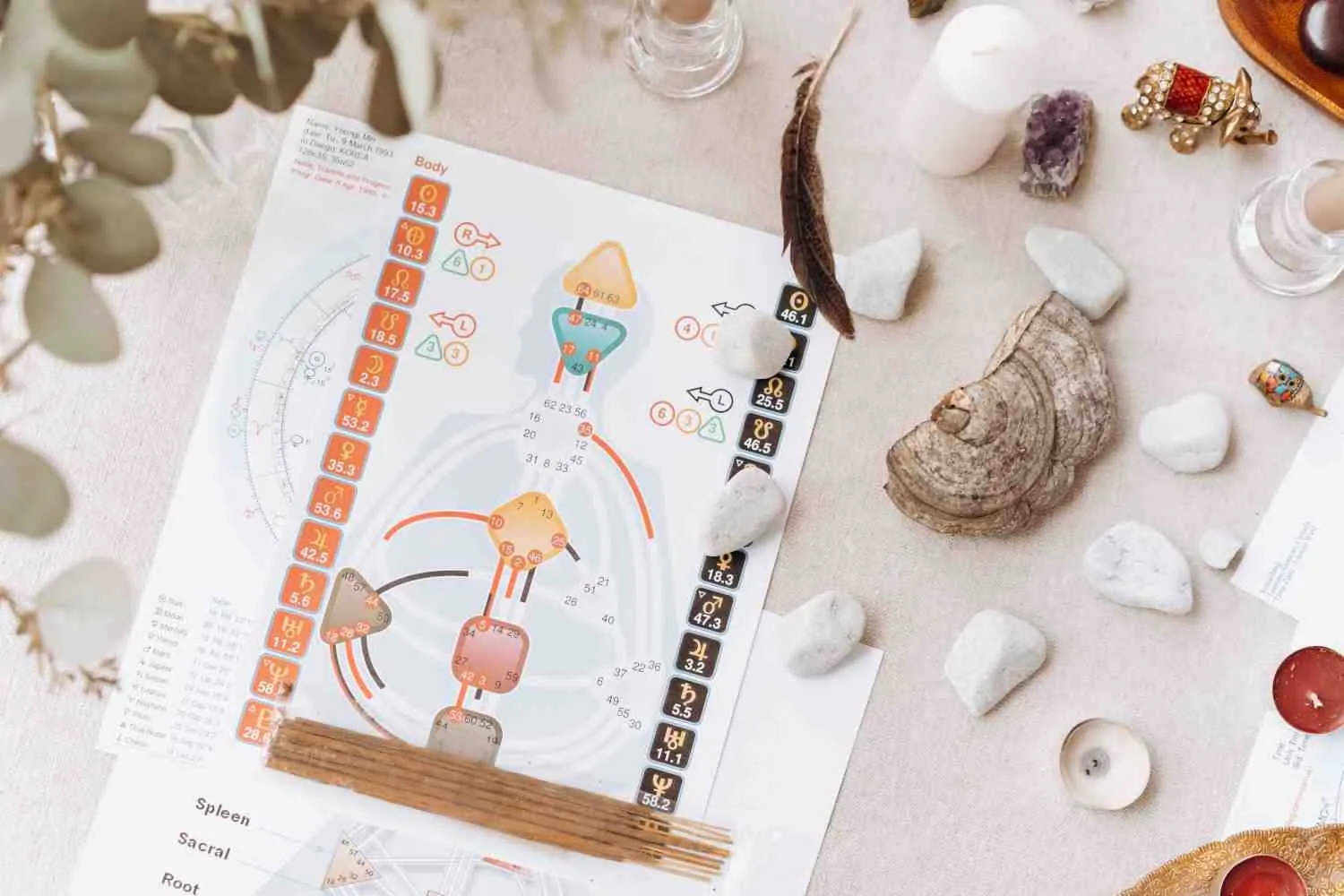
Reiki, how does it work?
Reiki is a holistic healing practice that involves the channeling of universal life force energy. It is based on the belief that this energy flows through all living beings, and when it is blocked or imbalanced, it can lead to physical, emotional, or spiritual ailments. Reiki practitioners use their hands to direct this energy into the recipient's body, promoting relaxation, balance, and healing. The energy is believed to address the root causes of imbalances, restoring harmony and supporting the body's natural healing abilities.
Can Reiki help with physical healing and pain relief?
Yes, Reiki has been known to assist with physical healing and provide pain relief. By promoting relaxation and reducing stress, Reiki can help alleviate physical tension and discomfort. The gentle energy flow during a Reiki session can support the body's natural healing processes and help relieve pain symptoms. While individual experiences may vary, many people have reported positive outcomes, such as reduced pain intensity, accelerated recovery, and improved overall well-being when incorporating Reiki into their healing journey. It is important to note that Reiki should be used as a complementary therapy alongside conventional medical treatments.
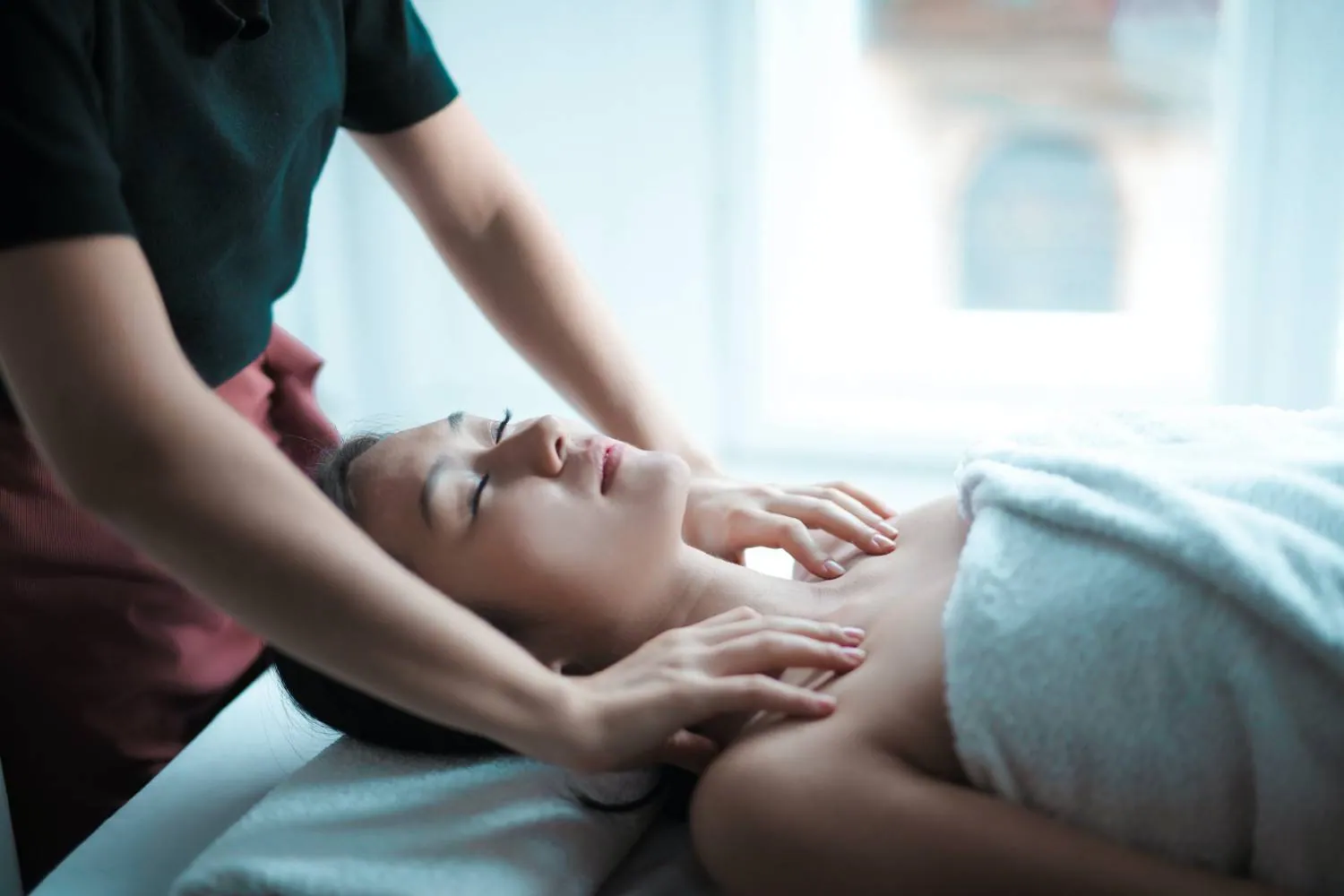
Is Reiki effective for reducing stress and promoting relaxation?
Yes, Reiki is highly effective in reducing stress and promoting relaxation. During a Reiki session, the practitioner channels healing energy, which helps to balance and harmonize the recipient's energy system. This process induces a deep state of relaxation, allowing the body and mind to release tension, stress, and anxiety. Many individuals report feeling a sense of calm, peace, and tranquility after a Reiki session. The gentle and nurturing nature of Reiki makes it a valuable tool for stress reduction and promoting overall well-being.
How does Reiki support emotional and mental well-being?
Reiki supports emotional and mental well-being by helping to release energetic blockages and promoting a sense of balance. By channeling healing energy, Reiki can assist in the processing and release of stored emotions, fostering emotional healing and stability. The deep relaxation induced during a Reiki session helps reduce stress and anxiety, promoting mental well-being. The nurturing and supportive environment created during Reiki sessions allows individuals to feel cared for, supported, and held, which can contribute to emotional and mental well-being. Overall, Reiki offers a holistic approach to address emotional and mental imbalances, promoting a sense of calm, peace, and inner harmony.


Can Reiki be used as a complementary therapy alongside conventional medical treatments?
Yes, Reiki can be used as a complementary therapy alongside conventional medical treatments. It is important to note that Reiki is not a substitute for medical care but rather a supportive practice that can enhance overall well-being. Reiki can help reduce stress, promote relaxation, and support the body's natural healing processes. Many individuals find that integrating Reiki into their treatment plan can provide additional support, improve their sense of well-being, and complement the benefits of conventional medical treatments. It is advisable to inform healthcare professionals about the use of Reiki to ensure comprehensive and coordinated care.
What are the benefits of receiving Reiki treatments?
Receiving Reiki treatments can offer a range of benefits. It promotes deep relaxation, reduces stress and anxiety, and induces a sense of calm and inner peace. Reiki can help alleviate physical discomfort, enhance pain relief, and support the body's natural healing processes. It can also assist in releasing emotional blockages, fostering emotional healing and balance. Reiki sessions provide a nurturing space, promoting a sense of well-being, rejuvenation, and improved energy flow. Additionally, Reiki can enhance spiritual connection, promote self-awareness, and support personal growth and overall holistic well-being.

Is it necessary to believe in Reiki for it to work?
No, it is not necessary to believe in Reiki for it to work. The healing energy of Reiki flows regardless of an individual's belief system or level of faith. The effectiveness of Reiki is not dependent on belief but rather on the innate ability of the energy to restore balance and promote healing. However, having an open mind and being receptive to the experience can enhance the benefits and the overall connection with the healing energy. Ultimately, Reiki works irrespective of one's belief, making it accessible to people with varying perspectives.
How long does a typical Reiki session last, and how many sessions are recommended?
A typical Reiki session lasts approximately 60 to 90 minutes, although shorter or longer sessions can be tailored to individual needs. The duration allows for ample time to relax, receive healing energy, and address specific concerns. The number of recommended sessions varies depending on the individual's goals, preferences, and the nature of their condition. For general well-being and relaxation, occasional sessions can be beneficial. For specific issues or chronic conditions, a series of sessions over a designated period may be recommended to experience deeper healing and lasting results.
Can anyone learn and practice Reiki, or is it limited to certain individuals?
Anyone can learn and practice Reiki. It is not limited to certain individuals and does not require any specific background or prior experience. Reiki can be learned through attunements and training provided by a Reiki master or teacher. The practice is accessible to people of all ages and walks of life, including individuals with varying belief systems or spiritual paths. Whether one wishes to practice Reiki for self-healing, to help others, or for personal growth, the ability to learn and practice Reiki is open to everyone who has a genuine interest and willingness to explore this healing modality.
Are there any scientific studies or research supporting the effectiveness of Reiki?
While scientific research on Reiki is limited, some studies have explored its potential benefits. Research suggests that Reiki can induce relaxation, reduce anxiety, and improve overall well-being. Studies have also shown positive effects of Reiki on pain management, stress reduction, and improved immune system function. However, due to methodological limitations and the complexity of measuring energy-based therapies, more rigorous research is needed. It is important to approach Reiki with an open mind, recognizing that anecdotal evidence and personal experiences often contribute to the understanding of its effectiveness.